Repair of Roofing: Expert Guide
By
Scarlett
Published
February 7, 2026
Read Time
5 min read
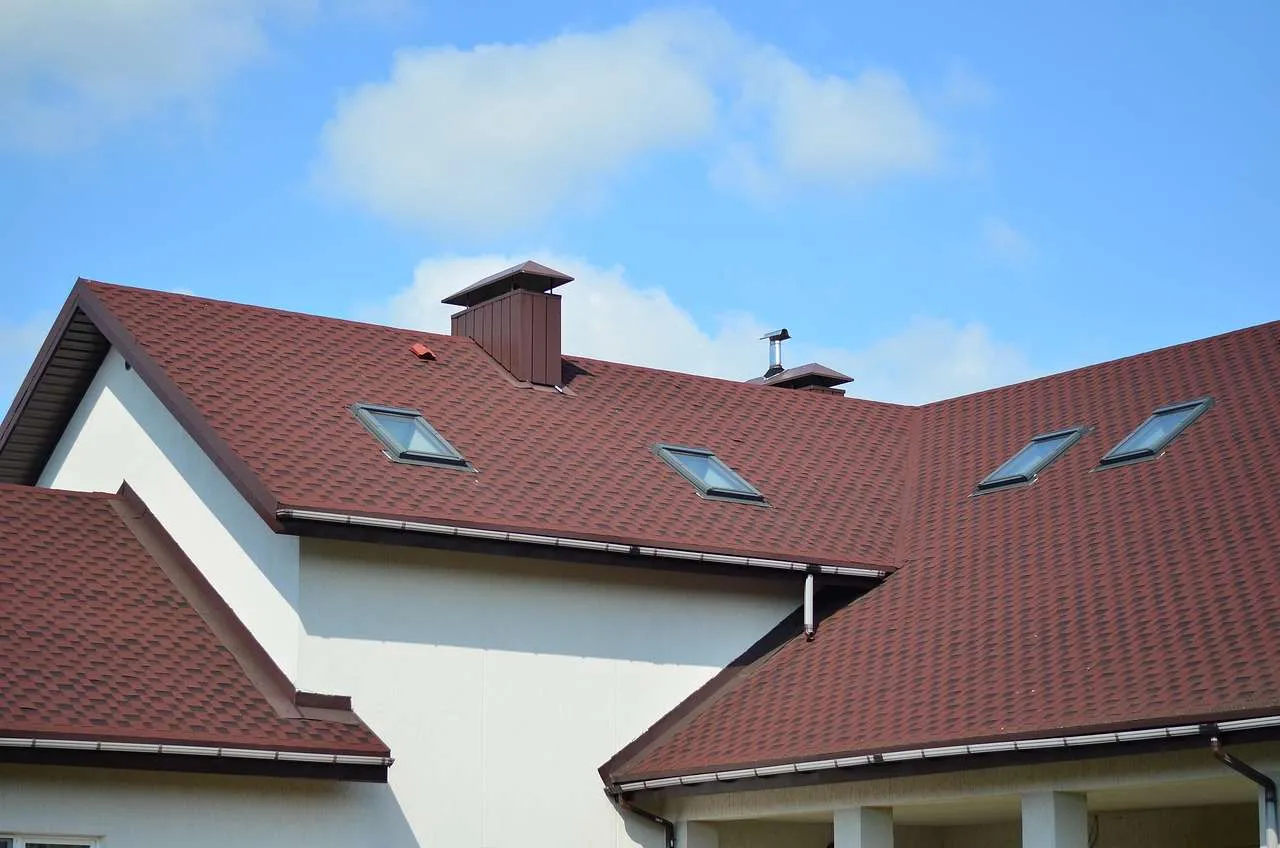
Repair of roofing is a critical aspect of home maintenance that protects your property and preserves value. This guide explains how to recognize problems, decide between DIY and professional help, and execute safe, durable repairs while upholding best practices and codes. Whether you own an asphalt shingle roof, metal roofing, or a flat roof, understanding common failure patterns and repair options helps you make informed decisions and avoid costly damage.
Understanding the Repair of Roofing
The term repair of roofing covers a range of fixes that restore function and stop further damage. Key components involved include shingles or panels, flashing around chimneys and vents, underlayment, and roof deck. Repairs may be as simple as replacing a handful of shingles or as involved as resealing flashing or repairing a damaged deck. The extent of repair depends on roof type, age, climate exposure, and prior maintenance. Always ensure that repairs maintain the roof system as a whole to prevent future leaks.
Common repair tasks
- Shingle replacement for missing, curled, or cracked shingles
- Flashing repair around chimneys, vents, and skylights
- Leak sealing with sealants or patches on flat or low-slope roofs
- Vent boot and boot flashing replacement
- Patching torn underlayment or damaged roof deck
Signs Your Roof Needs Repair
Early detection minimizes damage and expenditure. Look for:
- Water stains on ceilings or attic spaces
- Missing, curling, or granule-filled shingles
- Visible flashing deterioration or rust on metal roofs
- Sagging areas, excessive dampness, or mold in the attic
- Ice dams or fast-moving leaks after storms
DIY or Hire a Professional?
Safety, building codes, and warranty considerations strongly influence the choice between DIY and professional repair. Steep pitches, complex flashing, or structural deck damage typically require licensed roofing contractors. DIY fixes can be appropriate for small, non-structural issues if you have the right safety equipment and experience. Always check local codes, insurer requirements, and manufacturer warranties before starting repairs. When in doubt, obtain written estimates from two or three licensed pros and verify references and past projects.
Step-by-Step: Safe Roofing Repairs
- Assess the damage from the ground and attic, identifying the leak source without stepping on weak roof areas.
- Protect yourself with proper fall protection, gloves, and eye protection; use a sturdy ladder and secure footing.
- Gather materials such as matching shingles, roofing nails, flashing, sealant, and patches.
- Remove damaged shingles carefully and inspect the underlayment for moisture or deterioration.
- Install new shingles with proper nailing patterns and reseal flashing around penetrations.
- Test the repair after a rain event or with a controlled hose test, ensuring no further leaks occur.
- Document the repair, noting date, materials used, and any warranties for future reference.
Cost and Materials
Costs vary by roof type, extent of damage, accessibility, and local labor rates. Minor repairs are usually affordable, while larger issues may require more extensive work or deck repair. The table below provides rough ranges to help homeowners plan a budget. Always obtain a written estimate before work begins.
| Repair Type | Typical Cost Range | DIY Viability | Notes |
|---|---|---|---|
| Shingle replacement (patch) | $150–$600 per patch | Small, simple fixes | Match color and type; ensure proper nailing |
| Flashing repair | $200–$600 | Moderate fixes | Chimney/vent/flashing around penetrations |
| Temporary leak seal | $50–$150 | Yes, emergency use | Not a permanent solution |
| Roof deck repair | $3–$7 per sq ft | Usually professional | Structural repair if decking is damaged |
When planning repairs, consider the roof’s remaining life and whether a larger repair or partial replacement would offer better value in the long term. Materials like shingles, metal, or membranes have different costs and durability profiles. Consulting a qualified contractor helps determine the most cost-effective repair strategy that maintains system integrity.
Choosing a Roofing Contractor
The right contractor protects your investment. Look for licensed, insured professionals with a solid track record. Request written estimates, review references, and confirm warranty coverage on both materials and workmanship. Ask about permits, disposal of old materials, and how the project will be scheduled to minimize disruption. A reputable contractor should provide a clear scope of work, a detailed timeline, and a written contract before any work begins.
Maintenance to Extend Roof Life
Preventive care reduces the frequency of repairs and extends roof life. Regularly inspect after storms, keep gutters clear, trim overhanging branches, and ensure proper attic ventilation and insulation. Address moss or algae growth promptly, as it can trap moisture and degrade shingles. Schedule professional inspections every 3–5 years, or sooner if you notice leaks or aging components.
Conclusion
Conclusion, timely assessment, proper safety, and professional guidance are the keys to effective repair of roofing. By recognizing signs early, choosing qualified contractors, and implementing preventive maintenance, homeowners can protect their roofs, control costs, and maintain home value over time.